


Recognising Early Signs of Tooth Decay

Tooth decay is a common dental problem that can affect anyone, young or old. The good news is that if you catch it early, you can prevent it from causing serious damage. I want to share with you how to spot the early signs of tooth decay so you can take action quickly. Understanding these signs helps you protect your smile and avoid discomfort down the line.
Understanding the Early Signs of Tooth Decay
When tooth decay begins, it often starts quietly. You might not feel any pain at first, but your teeth can show subtle changes. Look closely for white spots or lines on the surface of your teeth. These are often the first visible signs that enamel is weakening. You might also notice slight sensitivity when eating or drinking something cold, hot, or sweet.
If you experience any of these early signs, don’t ignore them. Early detection means you can visit your dentist and get advice on how to stop decay before it worsens. Simple changes in your oral care routine can make a big difference.

Why Early Detection Matters
Catching tooth decay early is crucial. At this stage, the damage is limited to the enamel, the hard outer layer of your teeth. This means the decay can often be reversed or halted with proper care. If left untreated, decay can progress deeper into the tooth, causing pain, infection, and even tooth loss.
Regular dental check-ups are essential because your dentist can spot decay before you notice any symptoms. But you can also keep an eye on your teeth at home. Look for any changes in colour, texture, or sensitivity. If you spot anything unusual, book an appointment promptly.
Remember, prevention is always better than cure. Maintaining good oral hygiene and a healthy diet supports your teeth’s natural defences against decay.
What are the 5 stages of tooth decay?
Tooth decay develops in stages, and knowing these can help you understand what’s happening inside your mouth:
Initial Demineralisation
This is the very first stage where acids from plaque start to dissolve minerals in the enamel. You might see white spots here.
Enamel Decay
The enamel begins to break down further, and the white spots may turn brown. Sensitivity can start.
Dentine Decay
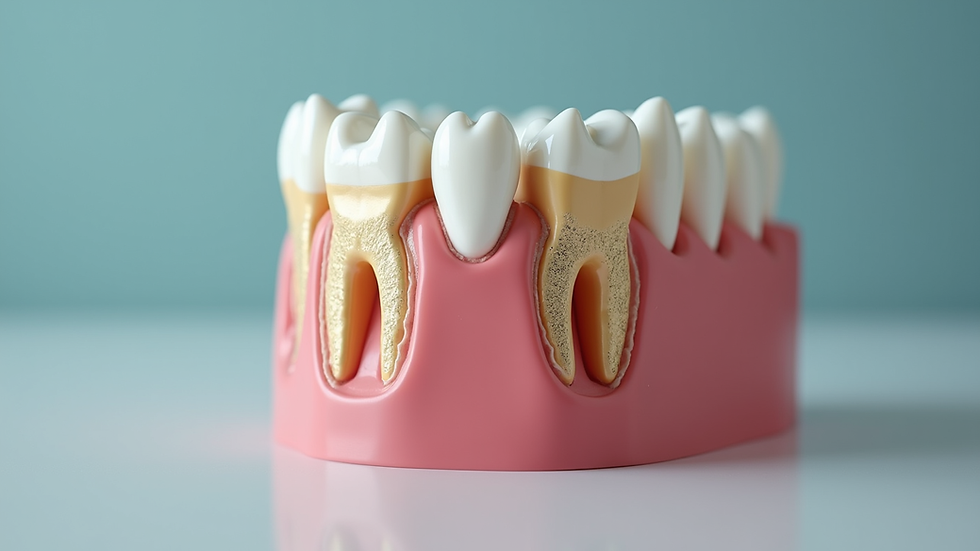
Decay reaches the dentine, the softer layer beneath enamel. This stage often causes noticeable pain or sensitivity.
Pulp Damage
The decay reaches the pulp, where nerves and blood vessels are. This can cause severe pain and may require root canal treatment.
Abscess Formation
Infection spreads beyond the tooth, causing swelling and severe discomfort. Immediate dental care is needed.
Knowing these stages helps you understand why early signs should never be ignored. Acting quickly can save your tooth and avoid more invasive treatments.
Practical Tips to Spot and Prevent Tooth Decay Early
You can take simple steps every day to protect your teeth and spot problems early:
Check your teeth regularly in good light. Look for any white, brown, or black spots.
Notice any sensitivity when eating or drinking. Mild discomfort can be an early warning.
Keep up with brushing twice a day using fluoride toothpaste. Fluoride helps strengthen enamel.
Floss daily to remove plaque between teeth where decay often starts.
Limit sugary and acidic foods and drinks. These feed the bacteria that cause decay.
Drink plenty of water to help wash away food particles and acids.
Visit your dentist regularly for professional cleanings and check-ups.
If you ever feel unsure about a change in your teeth, don’t hesitate to ask your dentist. Early advice can prevent bigger problems.
When to See Your Dentist
If you notice any unusual spots, persistent sensitivity, or mild pain, it’s time to book a dental appointment. Your dentist can examine your teeth closely and may use X-rays to detect decay that isn’t visible yet.
Don’t wait for pain to become severe. Early treatment is often simple and painless. Your dentist can offer treatments like fluoride varnishes, sealants, or fillings to stop decay in its tracks.
Remember, your dentist is there to help you keep your smile healthy. Regular visits build a relationship where you feel comfortable discussing any concerns.
Keeping Your Smile Healthy for the Long Term
Tooth decay is preventable, and recognising early signs is your first step. By staying vigilant and practising good oral hygiene, you can protect your teeth for years to come.
If you want to learn more about the signs of tooth decay, don’t hesitate to reach out to your local dental team. They can provide personalised advice and support tailored to your needs.
Taking care of your teeth is a lifelong journey. Start today by paying attention to your smile and acting on any early warning signs. Your future self will thank you.
I hope this guide helps you feel more confident about spotting tooth decay early. Remember, small steps make a big difference. Keep smiling brightly!



Comments